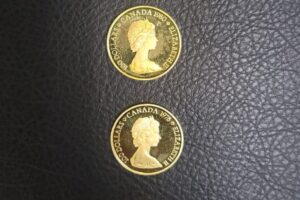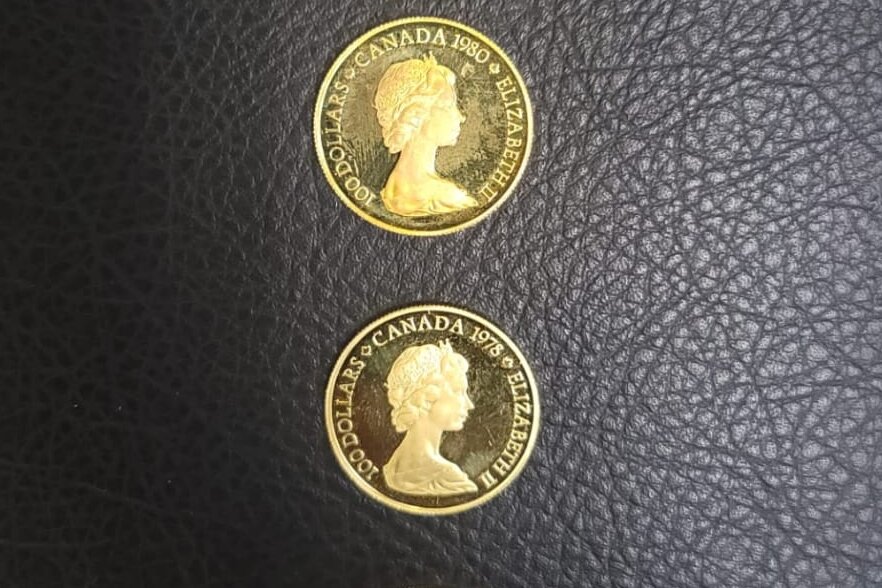

Right now, the market rate for pure 24-karat gold in Canada is about CAD $163 per gram. That number shifts every single day, sometimes even by the hour. This “spot price” is the foundation of how jewelers in Kelowna decide what to pay when you bring in gold jewelry, coins, or bullion.
But they don’t just stop at the daily gold price. A jeweler will also check how pure your gold is, weigh it carefully, and look at its condition. If your piece is from a luxury brand, is an antique, or has gemstones, that can add extra value on top of the melt price.
In this guide, we’ll walk through exactly how the appraisal process works in Kelowna, from the first inspection to the final offer. You’ll also see what happens after the appraisal, the mistakes many sellers make, and how to make sure you get a fair deal for your gold.
How do Kelowna Jewelers Appraise Gold
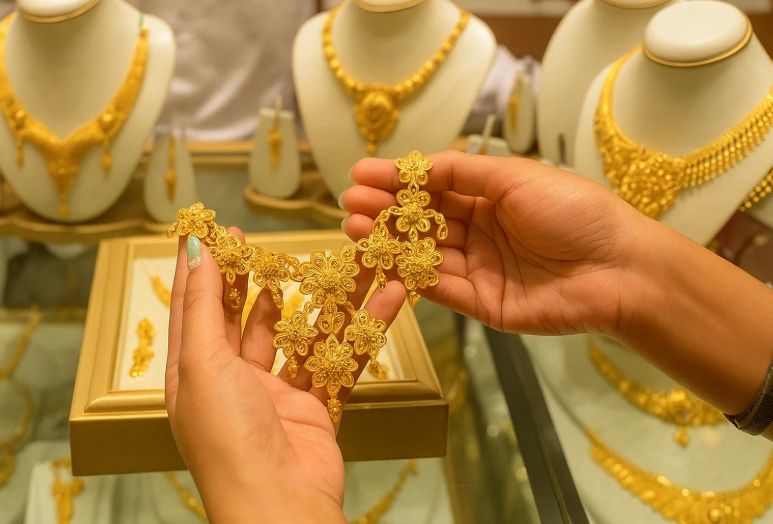
When you bring gold jewelry, coins, or bullion into a gold seller Kelowna shop, the appraisal doesn’t happen randomly. Jewelers follow a structured sequence designed to measure purity, weight, and value with accuracy. Here’s what typically happens from start to finish.
Step 1 – Initial Inspection of the Item
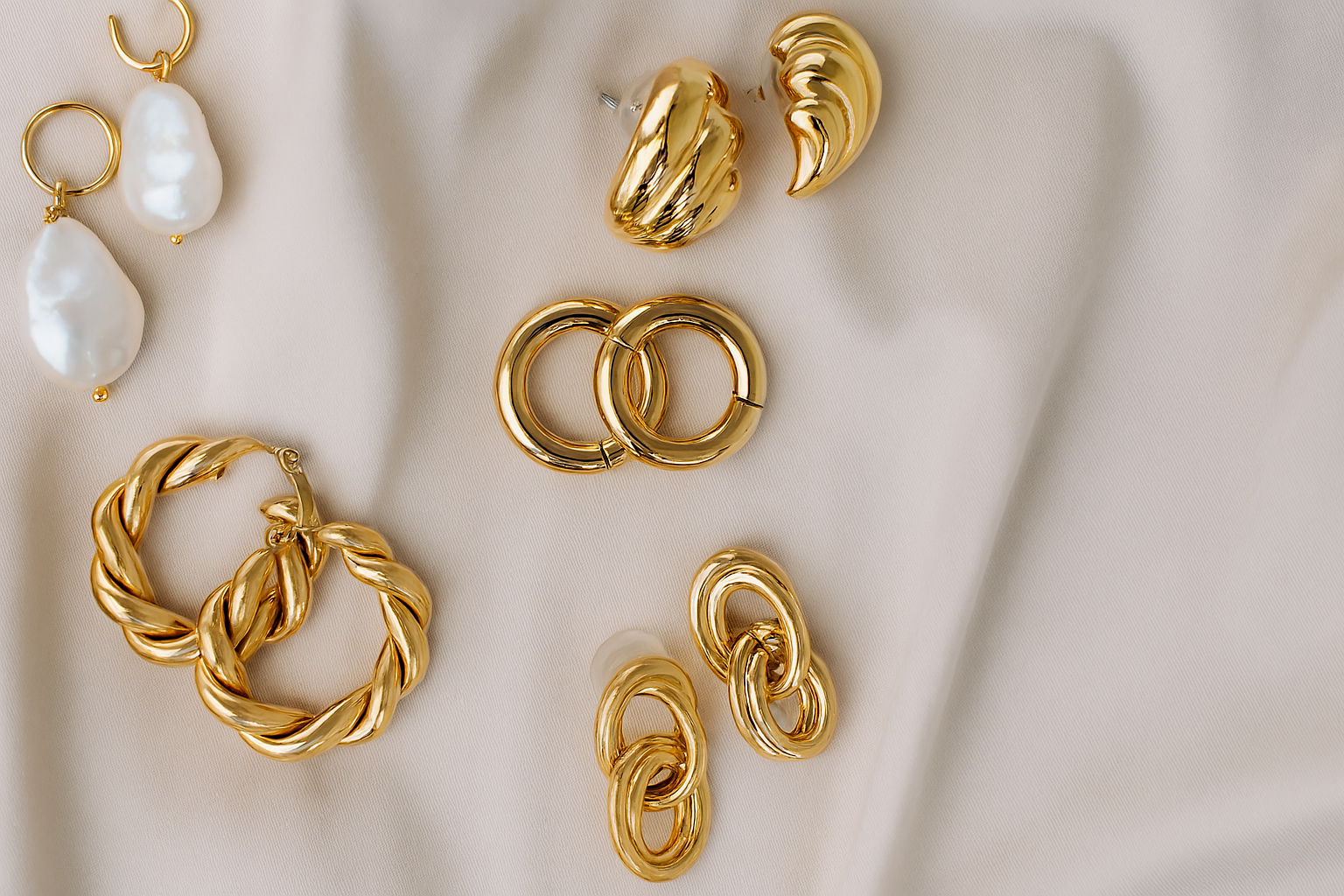
The process begins with a visual and physical inspection. The jeweler examines your piece for hallmarks and karat stamps, which often indicate purity levels such as “10K,” “14K,” or “18K.” They also look for signs of authenticity, damage, or prior repairs.
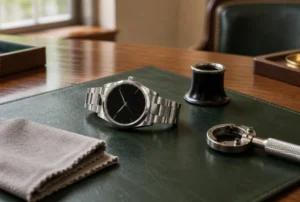
This step is important because items with a recognizable brand or antique hallmark may hold more than just melt value. For example, a Cartier ring can command far more than the price of its gold alone.
Step 2 – Testing Gold Purity
Next, the jeweler determines the actual purity of your gold. While karat stamps provide guidance, they aren’t always reliable, especially with older or altered pieces.
Common testing methods include:
- Acid test: Applying acid to a small scratch mark on the item.
- Electronic testing: Measuring conductivity to confirm content.
- X-ray fluorescence (XRF): A non-destructive, highly precise method.
Many gold buyers Kelowna use more than one method to ensure accuracy and give sellers confidence in the results.
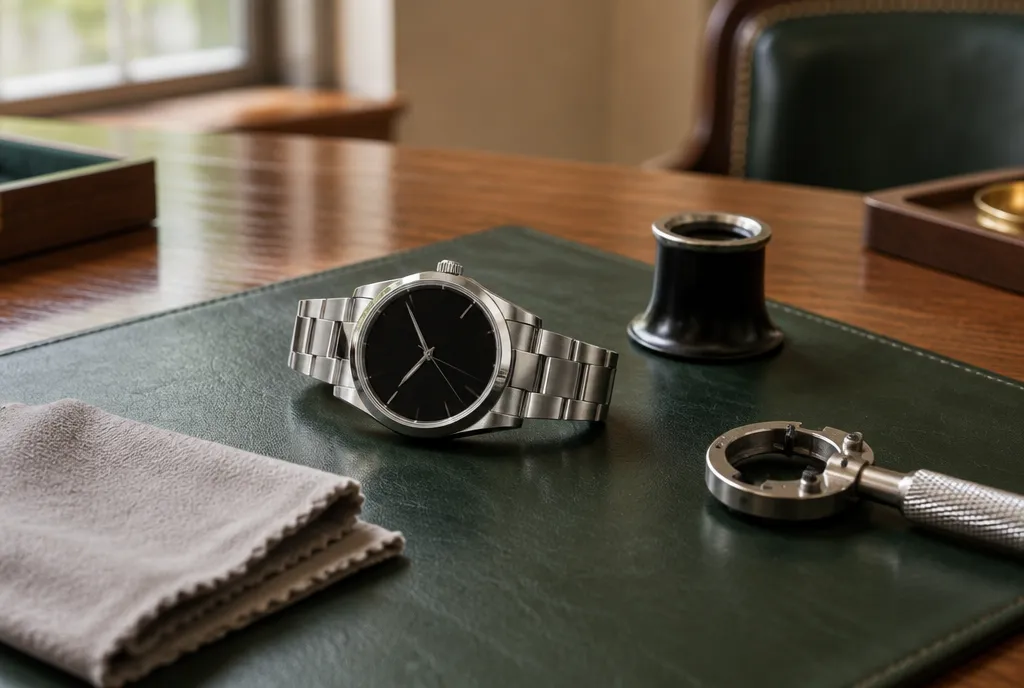
Step 3 – Weighing the Gold Accurately
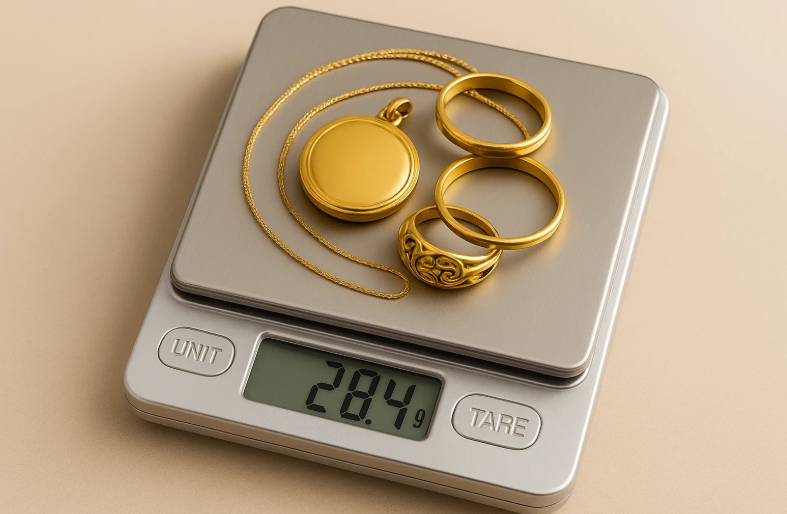
Once purity is known, the gold is weighed using a certified scale. Jewelers measure in grams or troy ounces (1 troy ounce = 31.1 grams).
Non-gold components, like stones, clasps, or beads, are excluded, so only the gold itself is measured. Even a single gram can make a noticeable difference in value, especially when market prices are high.
Step 4 – Checking the Current Market Price
Gold value is tied to the live market, also called the spot price. This number reflects what gold is trading for at that moment and changes frequently with global demand, inflation, and currency shifts.
Your item’s purity-adjusted weight is cross-referenced against the spot price, ensuring you receive an up-to-date, fair valuation.
Step 5 – Preparing and Presenting the Offer
Finally, the jeweler combines all factors, purity, weight, market value, and sometimes brand or craftsmanship, to calculate an offer.
If the piece is scrap gold, the price reflects its melt value. But if it’s a luxury brand, antique, or collectible item, the jeweler may add a premium. The offer is then presented clearly and transparently. A reputable jeweler will explain the calculation so you can make an informed decision.
What Happens After the Appraisal
After the appraisal steps are complete, the jeweler will provide a detailed price proposal. If gemstones are present, their quality and condition are also considered before the final number is given.
At this stage, you have full control:
- If you accept, you’ll typically provide identification for security, and payment is made on the spot, either in cash or by direct transfer.
- If you decline, your items are returned without obligation, and you’re free to keep them or seek another opinion.
The hallmark of a professional jeweler is transparency. They give clear reasoning behind their offer, let you ask questions, and leave the decision entirely in your hands. That way, you walk away with either fair compensation or your treasured items still safely with you.
Common Mistakes to Avoid When Selling Gold
Even with a clear appraisal process, many people unknowingly make mistakes that reduce the value they get for their gold. By being aware of these pitfalls, you can protect yourself and make sure you walk away with the best possible deal.
Mistake 1: Selling Without Knowing the Current Spot Price
One of the most common errors is walking into a jeweler without first checking the live gold market price. Because gold fluctuates daily, you could accept an offer that seems fair on the surface but is well below market value.
How to avoid it: Always look up the current spot price of gold before your appraisal. Even a rough idea gives you leverage when discussing offers.
Mistake 2: Accepting the First Offer of Kelowna Jewelers
It’s tempting to accept the first price you hear, especially if the process feels intimidating. But offers can vary significantly between jewelers depending on overhead costs, refining fees, or interest in reselling the piece.
How to avoid it: Seek at least two or three appraisals. Comparing offers not only ensures a fair deal but also gives you negotiating power.
Mistake 3: Mixing Jewelry with Different Purities
Gold pieces come in different purities: 10K, 14K, 18K, or 24K. If you bring in a mix of jewelry and allow it to be weighed together, you risk undervaluing the higher-purity items.
How to avoid it: Separate your pieces by karat (if stamped), or ask the jeweler to appraise them individually. This ensures each piece is valued accurately.
Mistake 4: Overlooking Non-Gold Components
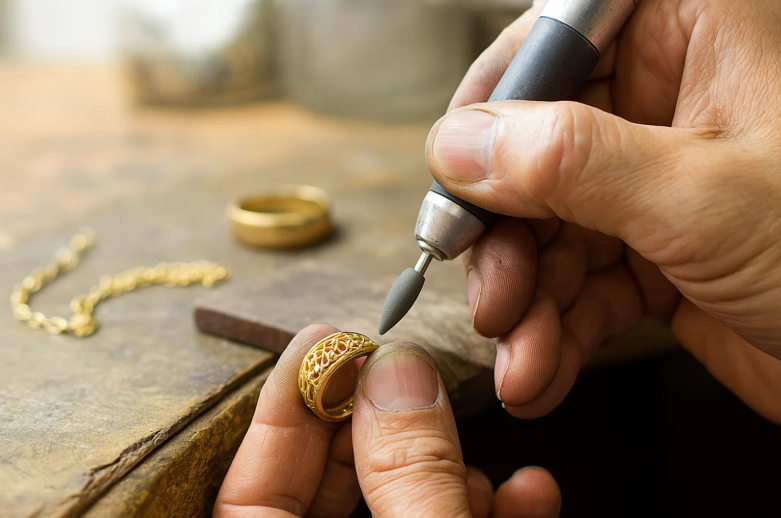
Some sellers assume that stones, beads, or clasps will be included in the offer. In reality, jewelers usually remove or exclude these elements when calculating melt value. This can lead to disappointment if you expected them to add value.
How to avoid it: Ask the jeweler upfront how they handle gemstones. If your item has quality diamonds or sapphires, consider having them appraised separately.
Mistake 5: Choosing Convenience Over Reputation
Selling to a pawn shop or mailing gold to an online buyer might be quick, but it often results in much lower payouts. These businesses typically offer less than reputable local jewelers because their business model relies on fast turnover and high margins.
How to avoid it: Work with trusted, established jewelers in Kelowna who are transparent about their process. Read reviews, ask questions, and ensure you feel comfortable with the appraisal.
Mistake 6: Ignoring Additional Value Beyond Melt Price
Many sellers assume their gold is only worth scrap value. While that’s true for broken or generic items, branded, antique, or collectible pieces often carry significant added value.
How to avoid it: If you suspect your jewelry might be designer, vintage, or rare, mention this to the jeweler. In some cases, selling it intact to a collector may be more profitable than melting it down.
Conclusion
Selling gold doesn’t need to feel confusing or risky. Once you understand the appraisal process, purity testing, weighing, condition checks, and market pricing, you can approach it like an informed seller rather than a hopeful guesser.
The spot price sets the foundation, but craftsmanship, condition, and branding can elevate value beyond melt weight. By timing your sale wisely, comparing multiple offers, and choosing experienced Kelowna jewelers, you maximize both fairness and profit.