
Before any professional buyer makes an offer on gold, they confirm what it actually is. Verification protects both sides: it makes sure you are paid for the real purity and weight of your gold, and it stops plated or counterfeit items from being priced as solid metal. Here is how gold buyers in Kelowna typically verify authenticity, step by step, and what you can expect to see when you sell gold in Kelowna.
Step 1: Visual Inspection
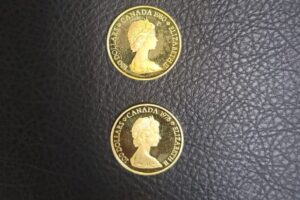
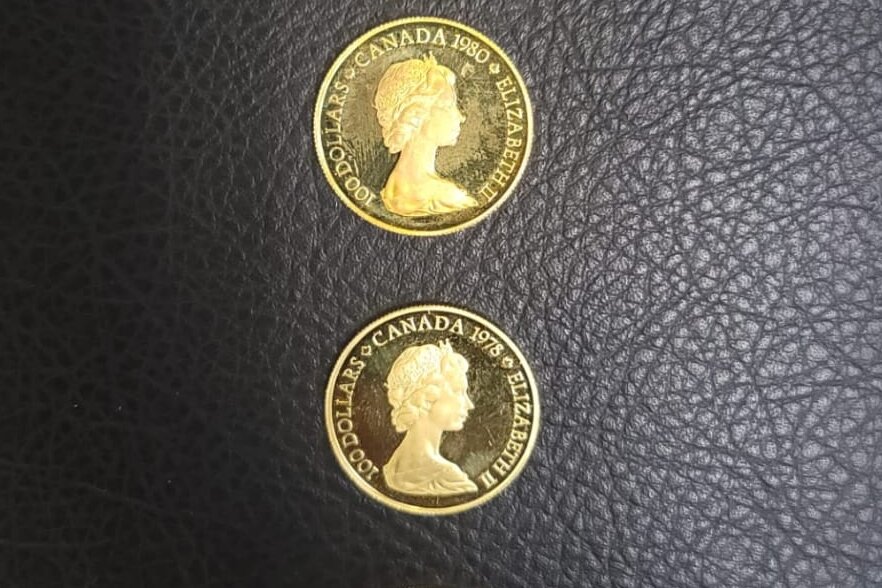
The first look covers hallmarks and stamps (10K, 14K, 18K, 750, 585 and so on), maker’s marks, and on coins and bars, the mint or refiner, the stated weight and fineness, and any serial number. The buyer also checks condition: wear that exposes a different-coloured metal underneath, flaking, or discolouration around clasps and edges can point to plating.
Stamps are a clue, not proof. They can wear away, be applied incorrectly, or appear on plated pieces, which is why every item is tested regardless of what it says.

Step 2: Weight and Dimensions
Next comes a calibrated scale. Gold is weighed in grams, or sometimes pennyweight (one pennyweight is about 1.555 grams), so ask which unit is used before you compare quotes. For bullion coins and bars, the buyer compares the measured weight and dimensions with the published specifications for that product. A coin that weighs the right amount but is the wrong thickness or diameter is a warning sign, because a different metal can be used to match weight but not size.
Some buyers also perform a density check, comparing an item’s weight in air with its weight in water. Pure gold has a density of about 19.3 grams per cubic centimetre, so a large deviation suggests something else is inside.
Step 3: Purity Testing
Purity is what turns weight into value. Common methods include:
- Acid and touchstone: the item is rubbed on a testing stone and the streak is exposed to acids of different strengths. It is quick and reliable for karat gold and leaves at most a tiny mark.
- Electronic testers: a probe measures how the metal responds to a small current to estimate karat, without acid.
- X-ray fluorescence (XRF): an analyser reads the surface composition without damaging the item, which is useful for coins, bars and pieces you do not want marked.
Quick checks like a magnet test are sometimes used for screening: gold is not magnetic, so a strong pull is a red flag. A non-magnetic result does not prove purity on its own.
Step 4: Turning Results Into an Offer
Once purity and weight are confirmed, the buyer applies the current market price. Melt value is weight multiplied by purity multiplied by the spot price per gram, and the offer is a percentage of that, because refining, testing and operating costs are real. Coins with collector value and jewellery with stones or design value are assessed in addition to the metal. Our guides to bullion coins vs collector coins and pawn shops vs gold buyers explain how those offers are built.

Common Fakes and How They Are Caught
Most problem items are not sophisticated counterfeits. They are plated or filled pieces sold, often innocently, as solid gold. The usual types are:
- Gold plated: a very thin layer of gold over a base metal. Wear at edges and clasps often shows the metal underneath, and testing below the surface confirms it.
- Gold filled: a thicker layer of gold bonded to a base metal core. It contains real gold, but far less than a solid piece, and is priced accordingly.
- Counterfeit coins and bars: base metals made to look like bullion. Weight, dimensions, density and XRF readings together make these hard to pass off, which is why buyers use more than one test.
If an item turns out to be plated, a good buyer will tell you plainly and explain the result, rather than quietly weighing it in with everything else.
Step 5: Records and Identification
Expect to show government-issued photo ID, and expect a written receipt describing each item, its weight and purity, the date, and the amount paid. Keep that receipt: it is useful for your own records, including tax records. Businesses that buy and sell precious metals can also have federal identity-verification and record-keeping obligations for certain transactions.
How to Prepare
- Separate jewellery, coins, bars and broken or scrap gold, so each group can be tested and weighed on its own.
- Leave coins uncleaned and in their packaging.
- Remove non-metal attachments like cardboard tags, but do not try to remove stones yourself.
- Check the spot price on the day you plan to sell.
- Bring any receipts, certificates or assay cards.
If you want to know what your gold is worth before deciding anything, a gold appraisal in Kelowna lets you watch each of these steps and ask questions as they happen.
Frequently Asked Questions
How do gold buyers test gold?
Most start with a visual check of hallmarks and condition, then weigh the item on a calibrated scale and test its purity. Purity is commonly tested with acid on a touchstone, an electronic tester, or an X-ray fluorescence (XRF) analyser, which reads the metal without damaging it.
Does a karat stamp prove my gold is real?
No. A stamp is a useful starting point, but stamps can wear away or be wrong, and plated items are sometimes stamped. A professional buyer confirms purity by testing rather than relying on the stamp alone.
Will testing damage my jewellery?
An acid test leaves a very small mark on the touchstone and sometimes a tiny scratch in an inconspicuous spot on the item. Electronic and XRF testing are non-destructive. Ask the buyer which method they plan to use.
Questions about testing or what to bring? Contact us or call (250) 801-1129. 5 Star Gold Silver & Diamond is at 307 Banks Rd #206, Kelowna, BC V1X 6A1.