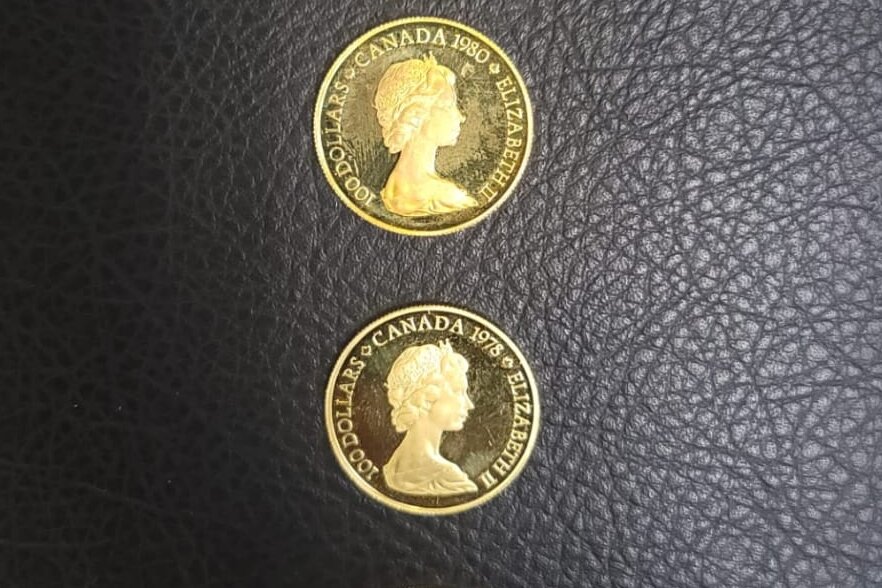

If you have gold or silver coins to sell in Kelowna, the first thing to know is that coins are valued in two different ways. A bullion coin is priced on the metal it contains. A collector coin can be worth more than its metal because of rarity and condition. Many collections hold both, and understanding which is which helps you make sense of any offer.
How Bullion Coins Are Valued
Bullion coins are made by government and private mints to hold a stated weight of precious metal at a stated purity. Their value tracks the spot price, the global market price for gold or silver, which is usually quoted per troy ounce. One troy ounce is about 31.1 grams, which is heavier than the everyday ounce used for groceries.
To estimate the metal value of a bullion coin, multiply its fine metal weight by the current spot price. A buyer’s offer is then a percentage of that figure, because testing, refining, insurance and running a business all cost money. Any buyer should be willing to show you that arithmetic.
Reading purity marks
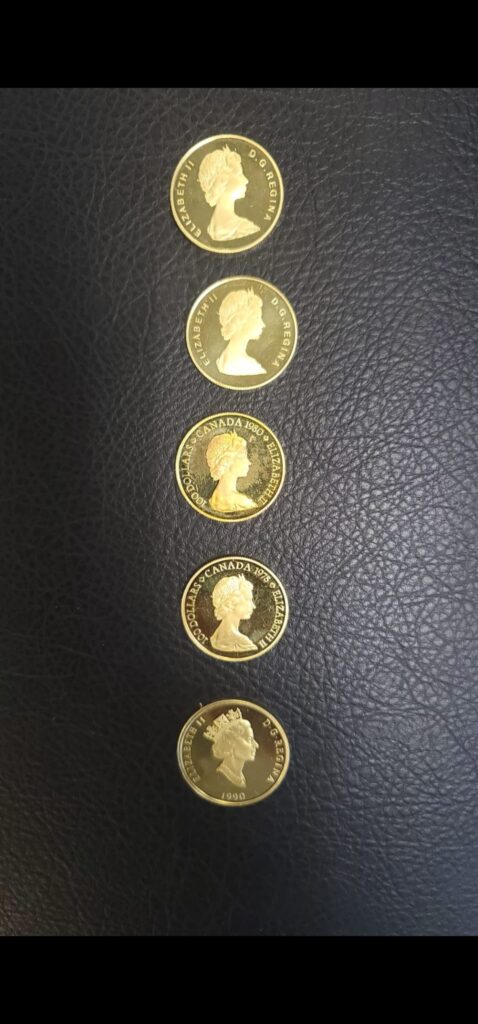
Fineness is usually stamped on the coin. A few examples you are likely to see:
- .9999 means 99.99 percent pure. The Royal Canadian Mint’s Gold Maple Leaf and Silver Maple Leaf are struck at this fineness.
- 22 karat (.9167) gold coins, such as the South African Krugerrand and the American Gold Eagle, are alloyed for durability. A one-ounce coin of this type still contains one troy ounce of fine gold, so it weighs more than a pure gold coin of the same face size.
- .800 silver is common in older Canadian circulation coins. Canadian dimes, quarters, half dollars and dollars dated 1967 and earlier were struck in 80 percent silver, so a jar of old change can be worth more than its face value.
Rounds and bars from private refiners work the same way: weight and purity first. If a piece has no stamp, it can still be tested.
How Collector Coins Are Valued
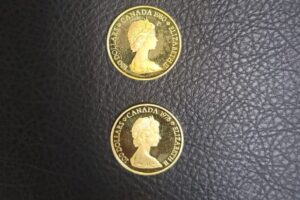
A collector, or numismatic, coin is valued on more than its metal. The factors that matter include:
- Rarity and mintage: how many were made, and how many survive.
- Condition: wear, scratches, cleaning marks and the sharpness of the design.
- Date and mint mark: some years or mints are far scarcer than others.
- Grading and packaging: coins sealed and graded by a recognized third-party grading service, or still in original mint packaging with certificates, are easier to assess.
- Demand: what collectors are actually paying for that coin now, which can rise or fall.
Numismatic value is assessed separately from metal value. A common-date bullion coin in average condition is usually worth its metal. A scarce coin in excellent condition can be worth noticeably more. If you think a coin may be collectible, ask any buyer directly whether they are pricing it as bullion or as a collectible, and consider a second opinion from a numismatic specialist before you sell.
Silver Coins Follow the Same Logic
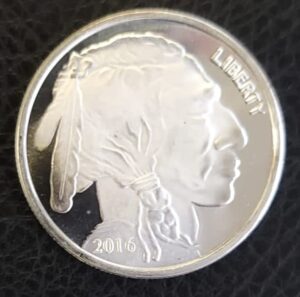
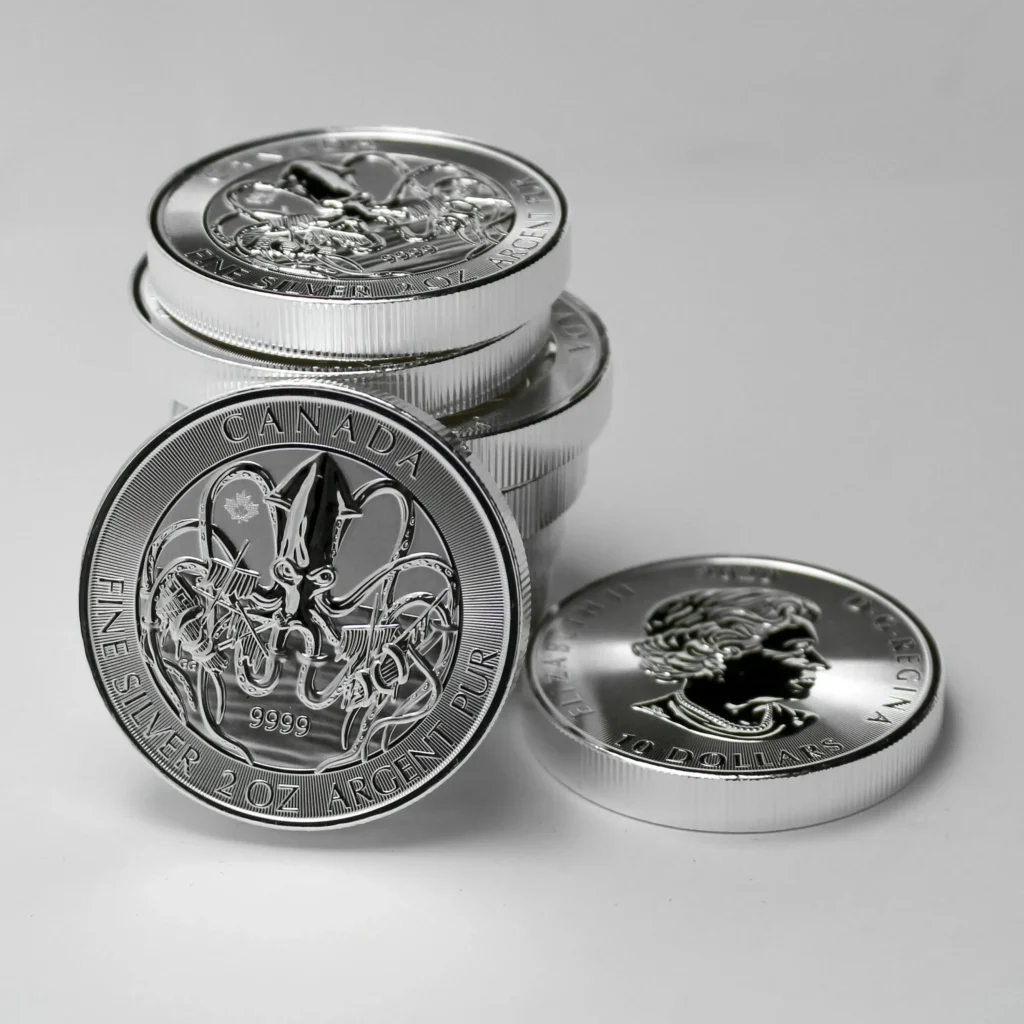
Silver bullion coins, rounds and bars are valued on fine silver weight and the silver spot price, and older 80 percent silver Canadian coins are valued on their silver content unless a particular date is collectible. Because silver is priced much lower per gram than gold, collections tend to be weighed in bulk. Our page on selling silver in Kelowna covers silver in more detail.
How to Prepare Your Coins Before Selling
- Do not clean them. Cleaning can permanently reduce collector value. Bring coins as they are.
- Keep original packaging. Capsules, tubes, mint boxes and certificates help identify a coin and can support its value.
- Sort roughly. Separate bullion coins, older circulation silver and anything you believe is collectible.
- Check the spot price on the day you plan to sell, so you have a reference point.
- Bring any paperwork showing what you paid, especially for larger holdings.
A Note on Tax
Selling coins can have tax consequences, and the CRA lists coins among its examples of listed personal property. We cannot give tax advice, but our article on gold tax in Canada summarizes the CRA rules sellers most often ask about and links to the official sources.
Frequently Asked Questions
What is the difference between a bullion coin and a collector coin?
A bullion coin is valued mainly on its precious metal content, so its price follows the spot price of gold or silver. A collector coin, also called a numismatic coin, can be worth more than its metal because of rarity, condition, mintage and collector demand, and that extra value is assessed separately.
What does .9999 mean on a gold coin?
It is the fineness, or purity, of the metal. A coin marked .9999 is 99.99 percent pure gold. The Royal Canadian Mint Gold Maple Leaf is a well-known example.
Should I clean my coins before selling them?
No. Cleaning, polishing or rubbing a coin can leave marks that reduce its collector value. Bring coins as they are, ideally in their original holders or packaging.
Ready to find out what your coins are worth? Our page on selling coins in Kelowna explains what we look at, or contact us and call (250) 801-1129. 5 Star Gold Silver & Diamond is at 307 Banks Rd #206, Kelowna, BC V1X 6A1.