If you’re getting ready to sell a piece of jewellery in Kelowna, the first question is usually the same one: what is it actually worth? The honest answer is that jewellery value is rarely just about the metal. A ring, a pendant, or a bracelet can be judged on several different scales at once, and understanding those scales before you walk into an appraisal helps you ask better questions and make sense of the number you’re given.
This guide walks through how different types of jewellery are generally valued, what to bring when you’re ready for an appraisal, and what the process typically looks like from start to finish.
Why Jewellery Valuation Isn’t Just About Weight
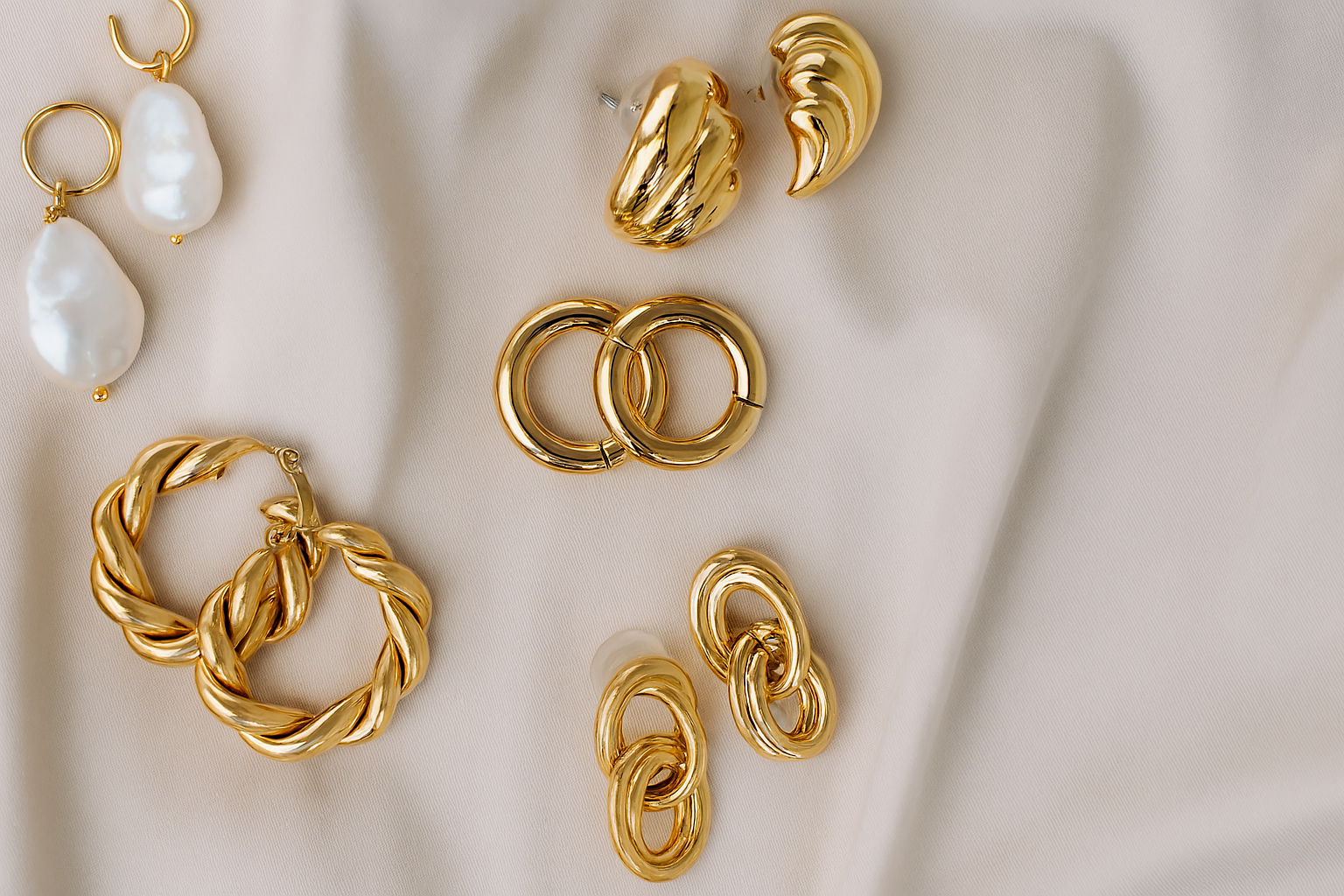
Two pieces of jewellery can contain the exact same amount of gold and still be worth very different amounts. That’s because a buyer isn’t only weighing metal, they’re also considering purity, craftsmanship, brand, condition, and whether the piece has gemstones or diamonds set into it. A plain gold band and a gold ring with a hallmark, a designer stamp, or a well-cut stone are two different conversations entirely.
When you’re selling jewellery in Kelowna, it helps to think of your piece in layers: the metal itself, any stones or gems, the craftsmanship or brand, and its overall condition. Each layer can add to, or occasionally subtract from, the final number.
Gold Jewellery
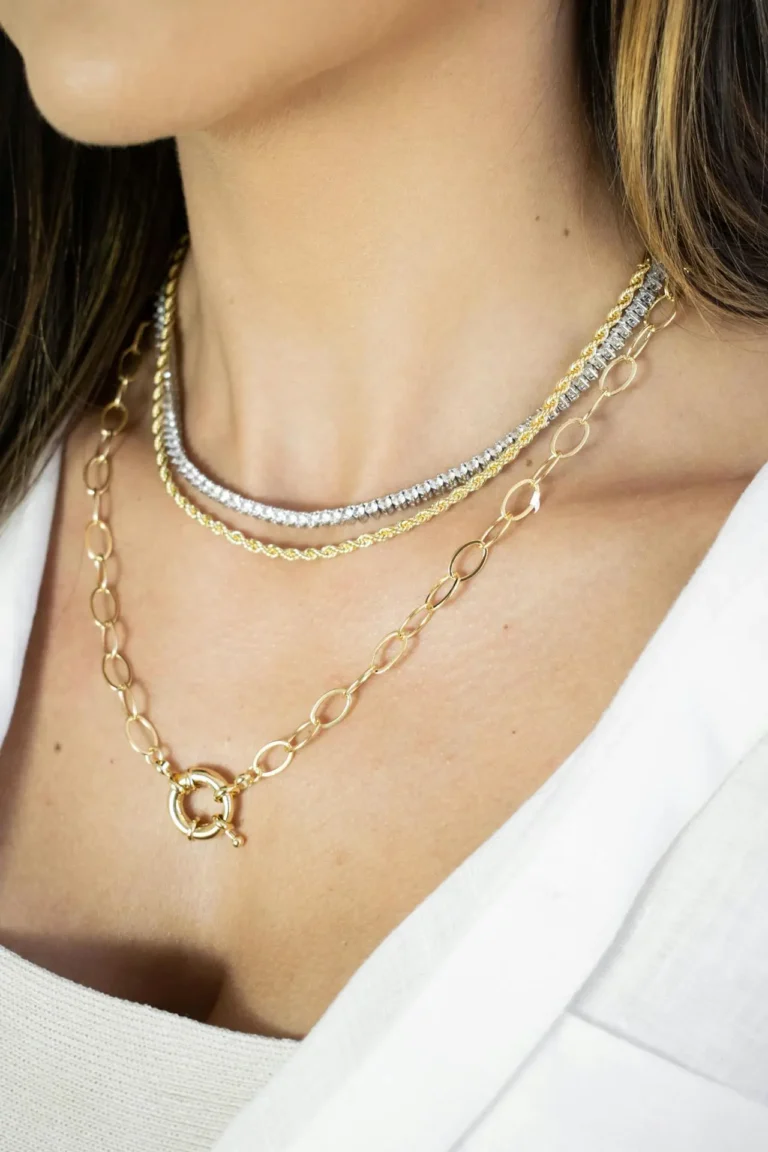
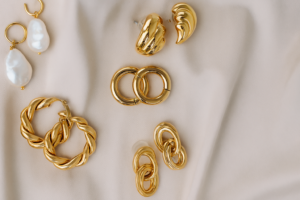
Gold jewellery is generally assessed by purity, measured in karats, and weight. A hallmark stamped inside a ring or on a clasp, such as 10K, 14K, or 18K, tells a buyer how much pure gold is actually present, since jewellery gold is almost always alloyed with other metals for durability. If you’re selling gold jewellery in Kelowna, an appraiser will typically test the metal to confirm purity before weighing it, rather than relying on the stamp alone, since stamps can wear or, in rare cases, be inaccurate.
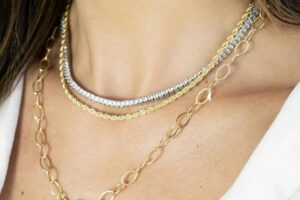
Design still matters here too. A heavier, well-made chain or a piece from a recognized jewellery house can carry value beyond its raw gold content, while a badly damaged or heavily soldered piece may be assessed closer to its melt value.
Silver Jewellery
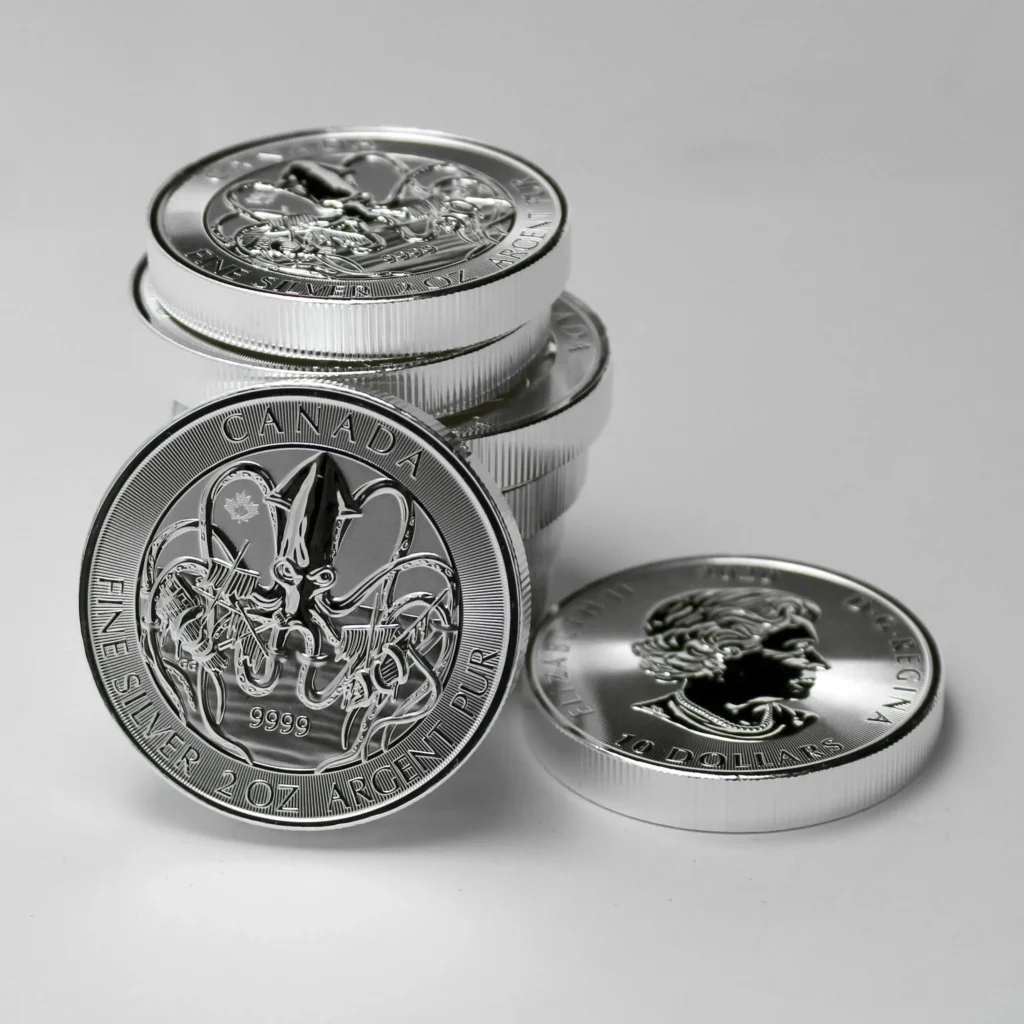
Silver is valued in much the same way as gold: purity first, then weight, then any additional design or brand value. Sterling silver, usually stamped .925, is the standard for most silver jewellery. Because silver’s market price per gram is lower than gold’s, silver pieces are often valued more for craftsmanship, maker’s marks, or age than for metal content alone. If you’re unsure whether a piece is sterling or silver-plated, that’s exactly the kind of question worth bringing to an appraisal. Our silver jewellery buying page covers what we look for in more detail.
Diamonds and Gemstones
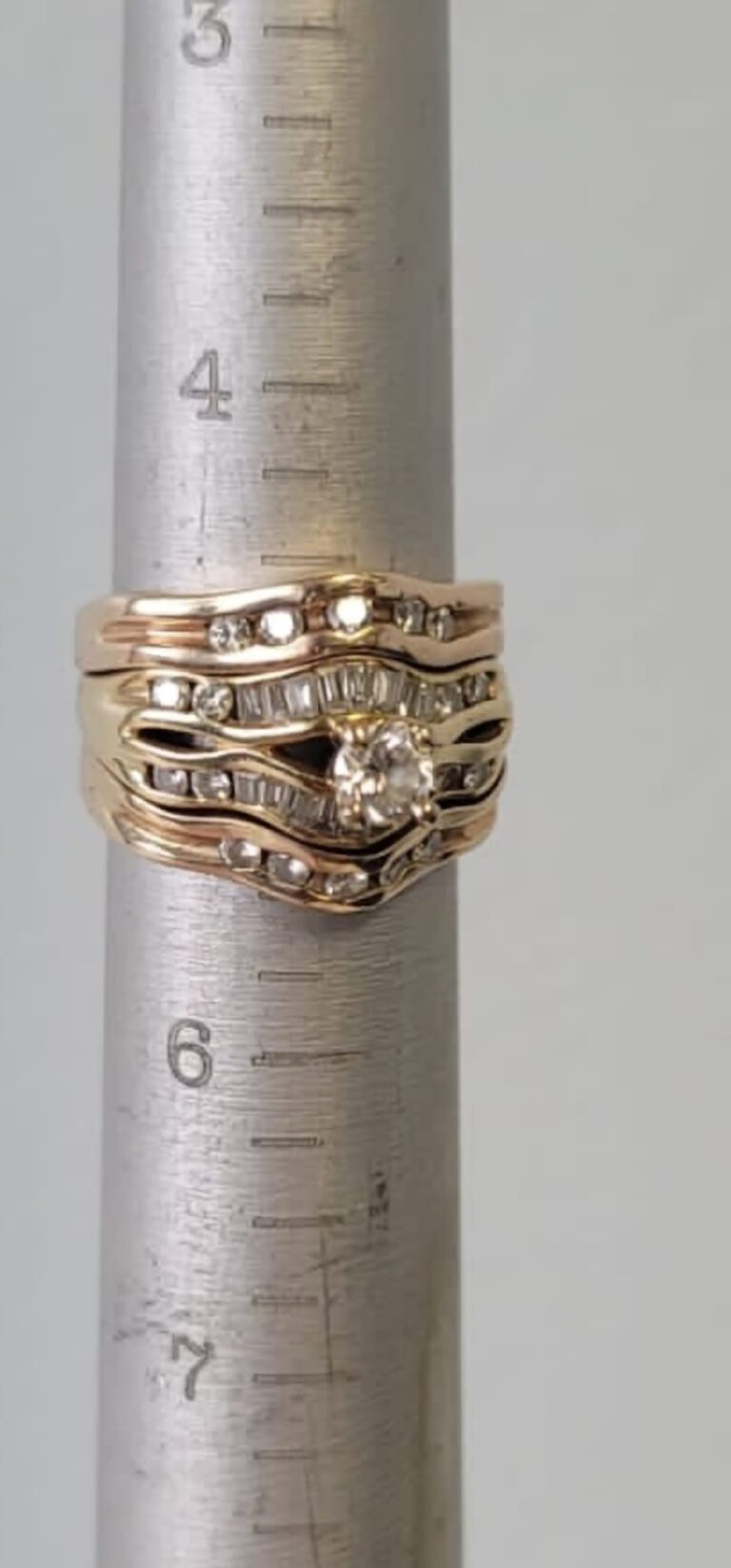
A stone-set piece is valued differently than a plain metal one, because now there are two separate assessments happening: the metal, and the stone itself. Diamonds are typically considered using the standard four Cs, cut, colour, clarity, and carat weight, and a trained eye can often tell a great deal simply by examining the stone under proper lighting and magnification. Coloured gemstones such as sapphires, emeralds, and rubies are judged on similar principles: quality of colour, clarity, cut, and size.
It’s worth knowing that a large stone isn’t automatically a valuable one, and a small, well-cut stone can sometimes outperform a larger, lower-quality one. If you’re selling a piece with diamonds or other gemstones, expect the stone and the setting to be evaluated separately before a total value is discussed.
Designer, Antique, and Estate Pieces
Not every piece of jewellery is valued purely on its raw materials. A recognized designer name, a documented history, or genuine age can add meaningfully to a piece’s worth, sometimes well beyond what the metal and stones alone would suggest. This is especially true of estate jewellery passed down through a family, where craftsmanship and provenance become part of the story.
Engagement rings and wedding bands fall into a category of their own too, since setting style, stone quality, and brand can all factor into value alongside sentimental considerations. If you’re parting with a ring you no longer wear, our page on selling engagement and wedding rings in Kelowna walks through what typically gets evaluated.
What About Watches Set With Precious Metals or Stones?
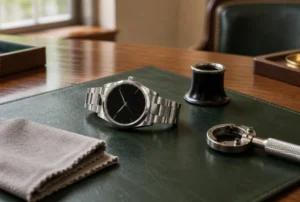
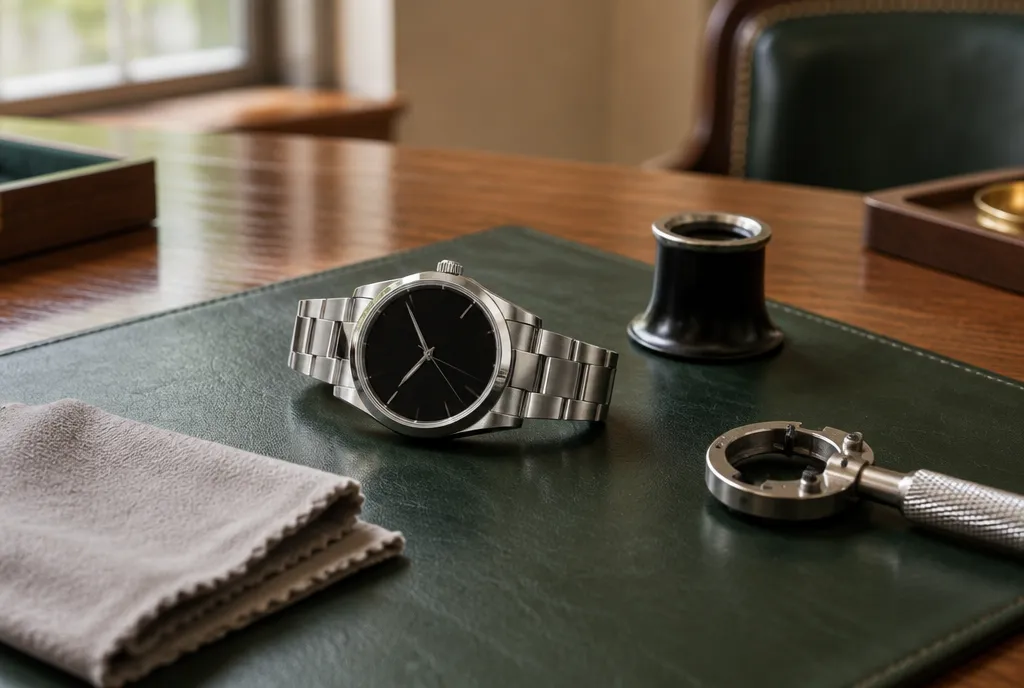
Watches occupy a slightly different category, since brand, mechanical movement, and condition often carry more weight than the metal or stones alone. A gold-cased watch, or one set with diamonds, still has its materials assessed, but the watch’s maker and working condition are usually central to the conversation. If you have a piece like this, it’s worth reading through our page on buying and selling high-end watches before your appointment.
What to Bring to Your Jewellery Appraisal
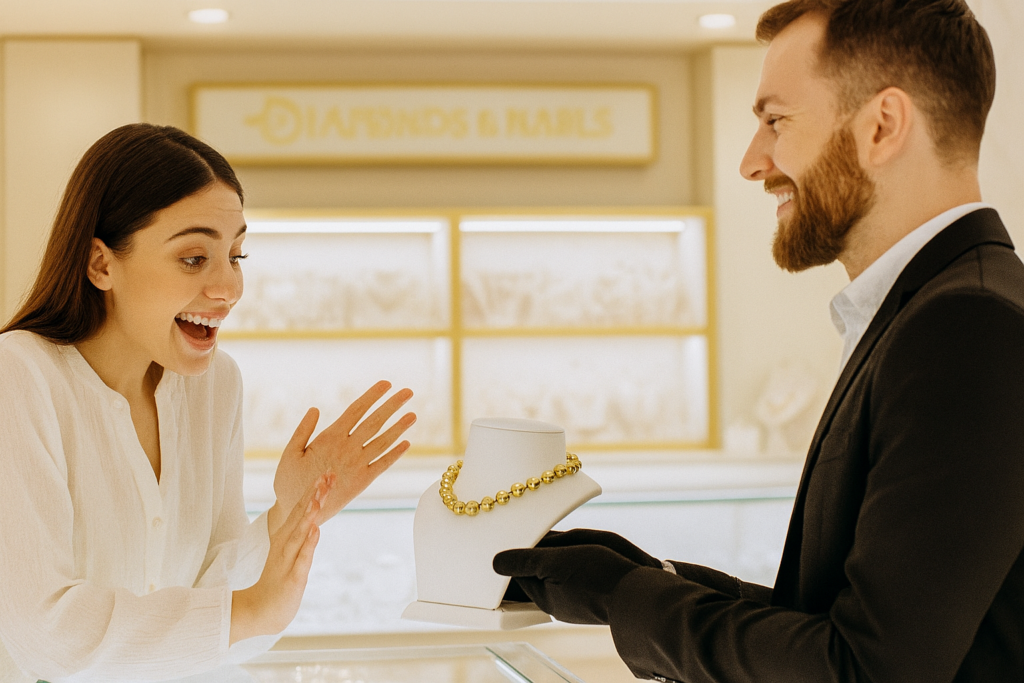
You don’t need paperwork to have your jewellery looked at, but a few things can make the process smoother and help you understand the result:
- The piece itself, along with any matching items, since a full set often appraises differently than a single piece
- Any original receipts, certificates, or appraisal documents you still have, especially for diamonds or branded pieces
- Photo ID, which is standard practice for any business buying jewellery, gold, or silver
- A general sense of what you’d like to know, whether that’s a straight sale, a private appraisal, or exploring a loan against your gold or silver instead of selling outright
For how the assessment itself works, see our jewellery appraisal in Kelowna page.
Broken clasps, missing stones, or mismatched earrings don’t need to stop you from bringing a piece in. Damaged jewellery and scrap gold or silver are still assessed on their metal content even when the piece itself is no longer wearable.
What to Expect During the Appraisal Process
A typical in-person appraisal starts with a visual inspection of the piece, checking hallmarks, stamps, and overall condition. From there, metal is usually tested to confirm purity, and any stones are examined separately. Weight is taken on a calibrated scale, and current market pricing for gold or silver is applied to the metal content, while stones and craftsmanship are assessed on their own merits.
This is done in person so you can see the process and ask questions as it happens, rather than mailing a piece away and waiting for a number to come back. A gold appraisal in Kelowna at a private office also means you’re not discussing value in a public setting, which many sellers prefer for pieces with sentimental or financial significance.
Selling Isn’t Your Only Option
An appraisal doesn’t have to end in a sale. Some sellers decide to keep a piece once they understand its value, others use that number to shop around, and some prefer a loan against gold or silver so they can hold onto the item while still accessing cash. Understanding your jewellery’s value first puts you in a better position no matter which direction you choose.
Frequently Asked Questions
Does a hallmark guarantee my jewellery’s purity?
A hallmark is a useful starting point, but purity is typically confirmed through testing rather than the stamp alone, since stamps can wear down or, in rare cases, be applied incorrectly.
Is broken or mismatched jewellery worth appraising?
Yes. Broken clasps, single earrings, or tangled chains can still be assessed for their metal and stone content even if the piece is no longer wearable.
Do I need an appointment for an appraisal?
Appraisal availability can vary, so it’s best to check current hours and options directly. See our FAQ page for more general questions, or contact us to ask about bringing in a piece.
Whether you’re holding a single gold ring or a full box of inherited jewellery, understanding how each piece is valued is the best place to start. Get in touch to book a free appraisal at our private Kelowna office.